One sky, many messengers
Astronomy no longer watches a static sky. Surveys like ZTF and
the upcoming Rubin LSST catch the universe changing night
by night, while gravitational-wave detectors listen to the
ripples of spacetime. Time-Domain and Multi-Messenger
Astronomy (TDMMA) is where those signals meet. The
time domain is this workshop's centre of
gravity — the changing sky, and everything we learn by
watching it change — with multiple messengers providing crucial
information to understand the astrophysics of these objects.
With the growing demand to follow up these transients, CASSA is
building the infrastructure to do it — manpower and observing
facilities alike. This workshop aims to build a cohort of
dedicated people who want to contribute to TDMMA.
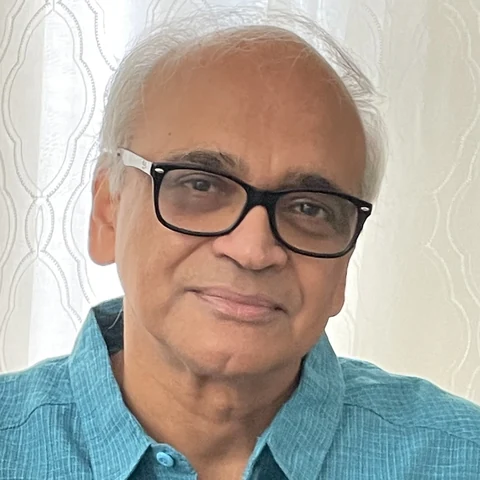
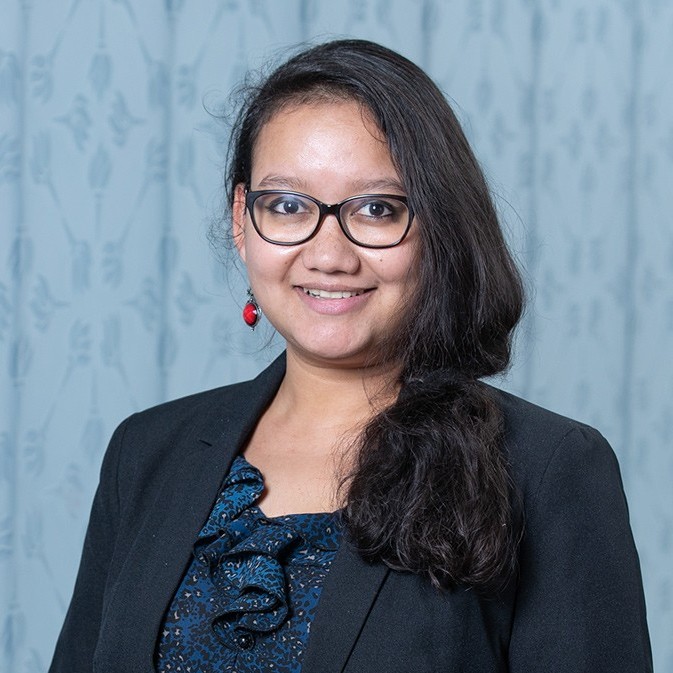
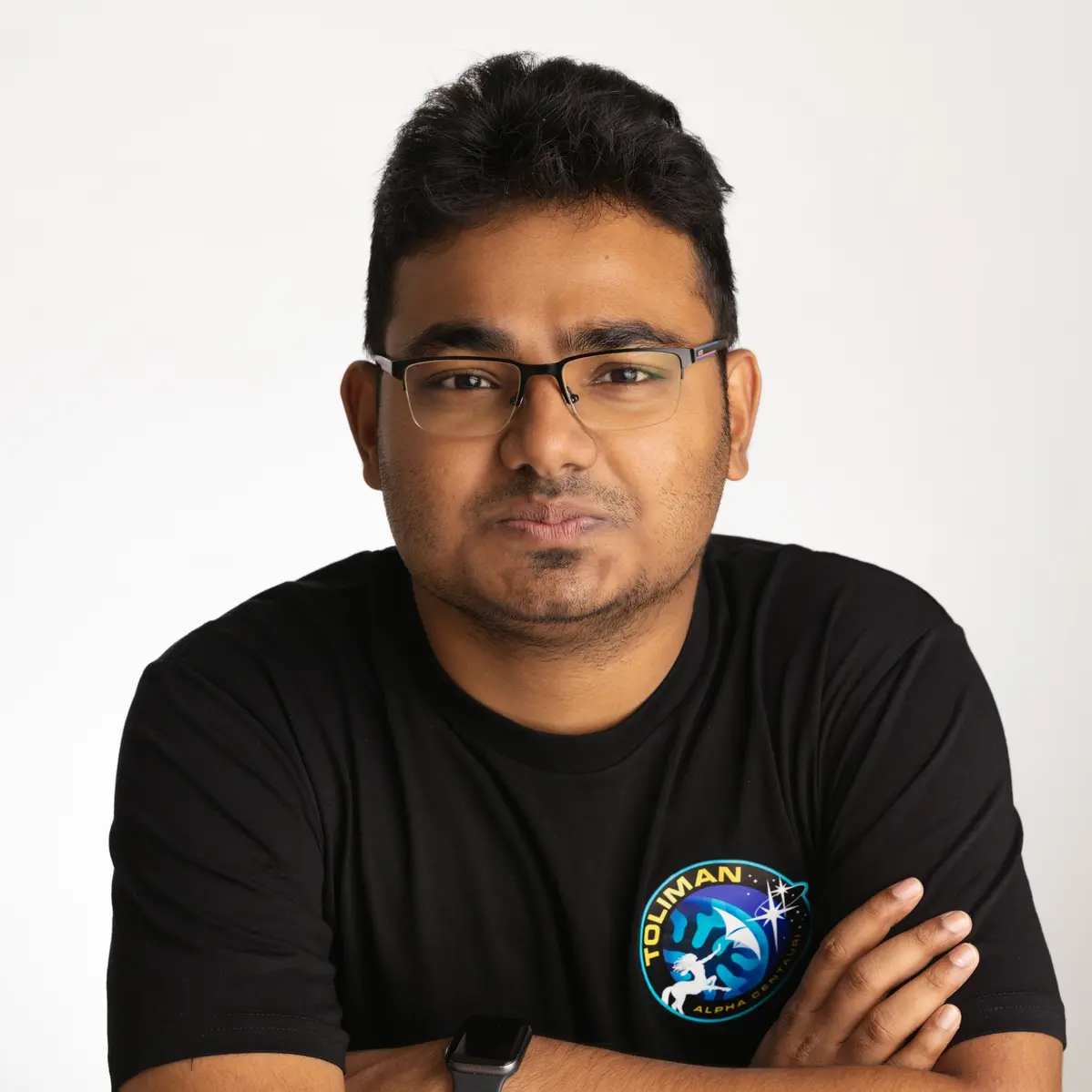
The workshop features local and foreign experts, some in the
room and some joining online. In person, the visiting lecturer
for the week is
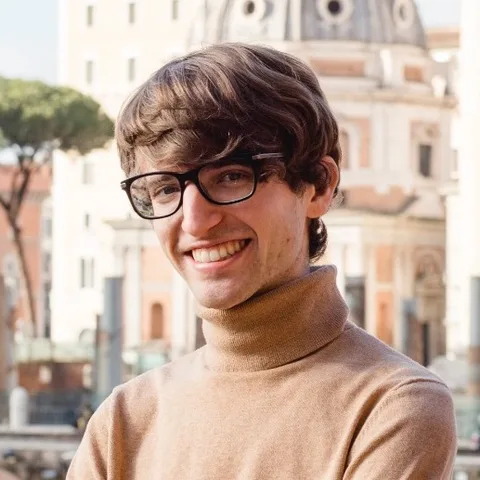
Dr. Andrew L. Miller, who searches
gravitational-wave data for the signals of compact objects and
of dark matter, and who comes to CASSA for the
gravitational-wave portion of the programme. He is joined by
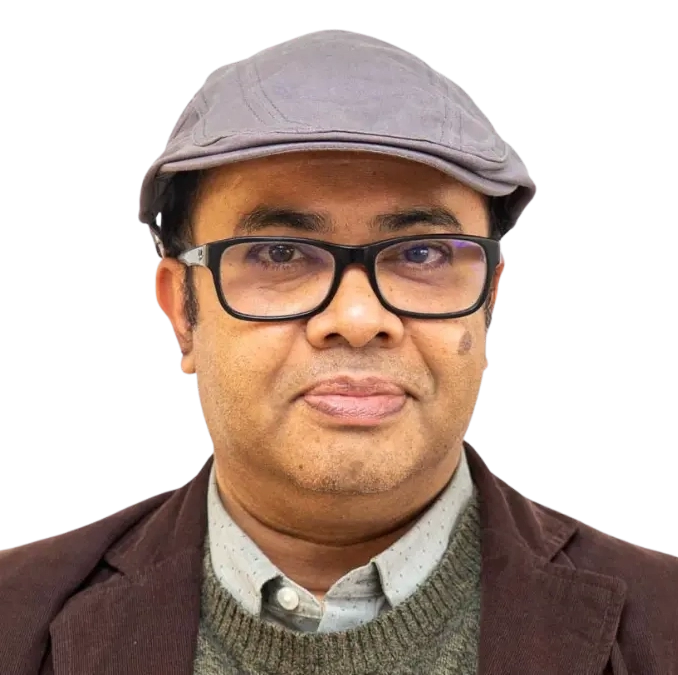
Dr. Syed Ashraf Uddin, the
convener of this workshop, whose expertise is Type Ia
supernova cosmology and observational astronomy — he uses
Type Ia supernovae as standard candles to probe dark energy
and the Hubble tension;
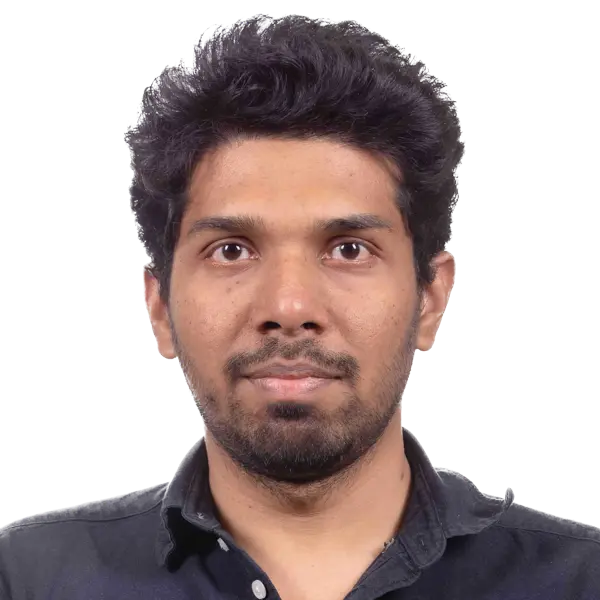
Dr. Khan Muhammad Bin Asad
on the radio time domain — pulsars and fast radio bursts with
MeerKAT and LOFAR; and
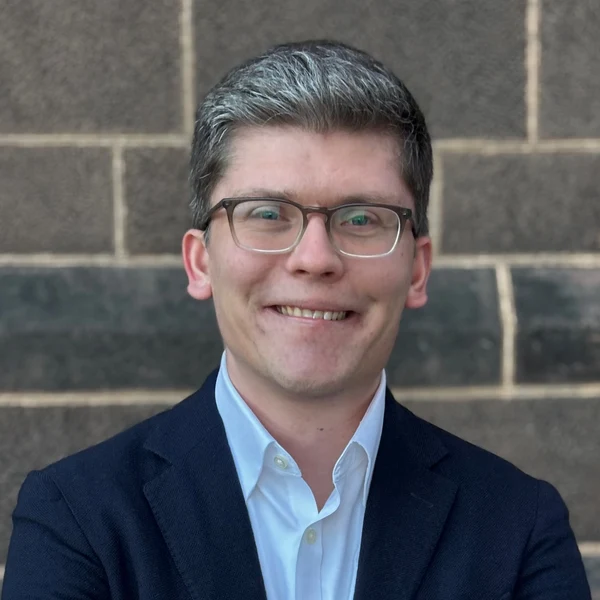
Dr. Colin J. Burke, who hunts
massive black holes in the variability of wide-field time-domain
surveys.
Joining online are
Dr. Dipen Bhattacharya, a gamma-ray
astronomer who has observed the high-energy sky with
balloon-borne telescopes flown above the atmosphere, and a
Bengali science-fiction writer;
Dr. Payaswini Saikia, who studies
accretion onto black holes and neutron stars and the jets they
launch, from radio to X-ray; and
Md Redyan Ahmed, a doctoral
researcher in radio astronomy and galaxy evolution.
The goal is capacity building: participants who complete this
workshop will be able to read a transient light curve, follow a
gravitational-wave alert, and start research in time-domain
astronomy and the multi-messenger astrophysics that grows out of
it.