
- Yead Muhammad Ivan
Whirlpool galaxy
The Galactic neighbor that cannot stop taking selfies
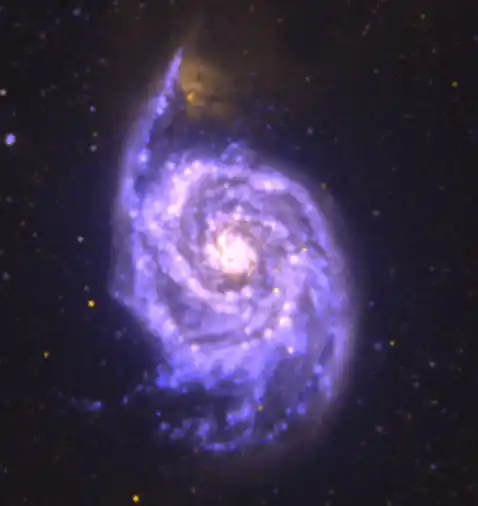
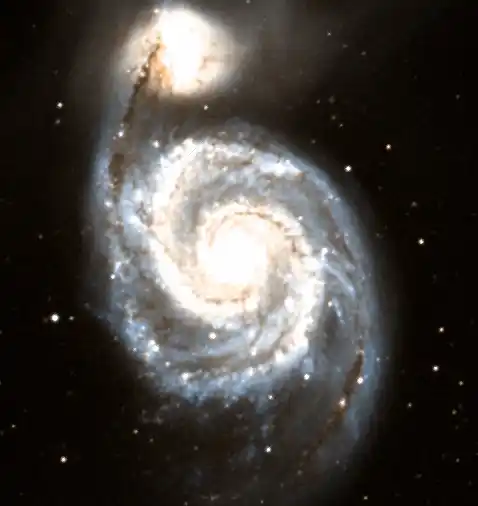
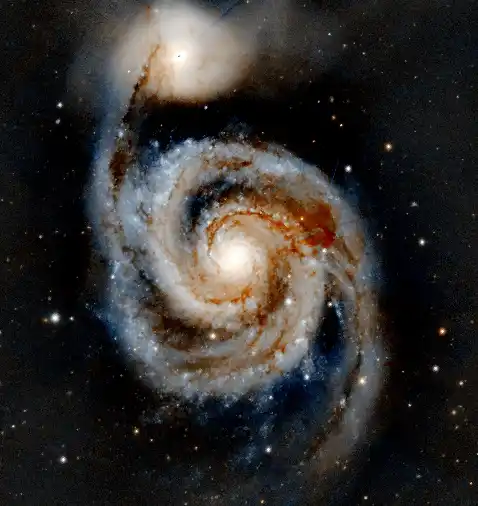
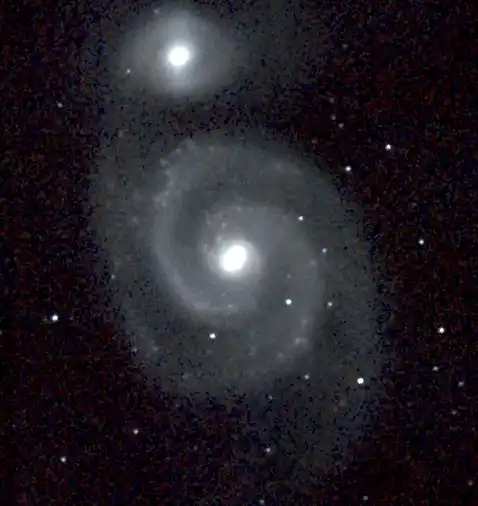
If the universe had an Instagram account, the Whirlpool Galaxy known to scientists as M51 would definitely be its biggest influencer. We’ve all seen the photos, a perfect, swirling spiral that looks almost too good to be true. But thanks to a treasure trove of scientific research, we know that M51 isn’t just a pretty face, it is actually a chaotic, dramatic, and wild place to live (assuming you’re a star, of course). First, let’s talk about why it looks so good. Astronomers call it a “grand-design” spiral, which is just a fancy way of saying it looks exactly like what a kid draws when you ask them to sketch a galaxy. It is sitting roughly 25 million light-years away from us. That sounds incredibly far, but in cosmic terms, it’s practically next door. The best part is that it is facing us nearly perfectly, tilted only about 20 degrees. It’s not hiding anything, it is posing for the ultimate top-down selfie, showing off its good side to our telescopes.
But why does it have those stunning, well defined arms? It turns out, M51’s beauty isn’t natural. It’s the result of a massive cosmic car crash. M51 has a dance partner, a smaller, yellowish galaxy called NGC 5195. But this isn’t a romantic waltz, it’s a hit and run case. This smaller galaxy didn’t just pass by once. It likely crashed right through M51’s main disk about half a billion years ago, and then because it apparently didn’t learn its lesson it swung back around for another pass just 100 million years ago. Right now, that smaller galaxy is stuck in a gravitational tug of war, dragging on M51. This pulling and stretching is actually what whipped the galaxy into shape, creating those famous, beautiful spiral arms we admire today.
If you could zoom into those spiral arms, you’d find they are essentially giant factories. They are crowded with massive clouds of gas, known as Giant Molecular Clouds, which are the raw ingredients for making stars. As gas flows into the arms, it gets squeezed together to form massive reservoirs weighing as much as 100 million Suns. But here is the weird part. Once these clouds leave the safety of the arm, the galaxy’s rotation twists them like pizza dough, ripping them apart into smaller chunks. You might think that with all this gas, stars would be popping up everywhere, but M51 has a “pressure problem.” The gas is zooming around so fast that it creates a kind of wind pressure that stops gravity from doing its job. It’s like trying to build a sandcastle inside a hurricane. The sand is there, but the environment is just too chaotic to let it settle into a star.
Things get even crazier in the center. Right in the heart of the Whirlpool sits a supermassive black hole. Don’t panic, though it’s what scientists call a “low luminosity” black hole, meaning it is active but not blindingly bright. It is currently burping out a massive jet of radio energy that blasts through the galaxy for thousands of light years. This jet acts like a cosmic snowplow, pushing gas out of its way and leaving a trail of emptiness behind it. The black hole is also on a very strict diet. It eats (inflows) about one sun’s worth of gas every year, but it also spits out (outflows) roughly the same amount. It is a perfectly self regulating cycle of eating and burping.
Finally, we can’t forget the “bling”. M51 is packed with something called Ultraluminous X-ray sources. These are mysterious objects that shine with the power of a million suns, but only in X-ray light. They are likely smaller black holes or neutron stars that are feeding on their neighbors so aggressively that they scream out in high energy light. It’s a sign that despite all that chaotic pressure, M51 is still churning out massive, brilliant stars at a frantic pace. So, the next time you see a picture of the Whirlpool Galaxy, remember, you aren’t looking at a serene painting. You are looking at a dynamic, violent, star forming engine driven by a galactic collision. It is, quite literally, the most beautiful traffic accident in the universe.
Written by M. O. B. Jihad using this Google NotebookLM and the papers therein.
মহাবিশ্বের যদি একটা ইনস্টাগ্রাম অ্যাকাউন্ট থাকত, তবে বিজ্ঞানীরা যাকে এম৫১ বা ‘হোয়ার্লপুল গ্যালাক্সি’ বলেন, সেটাই হতো এর সবচেয়ে বড় ‘ইনফ্লুয়েন্সার’। আমরা সবাই এর ছবি দেখেছি—এমন এক নিখুঁত সর্পিল ঘূর্ণন যা দেখতে প্রায় অবিশ্বাস্য মনে হয়। কিন্তু বিস্তর বৈজ্ঞানিক গবেষণার কারণে আমরা জানি যে, এম৫১ কেবল বাহ্যিক রূপেই সীমাবদ্ধ নয়; এটা আসলে প্রচণ্ড বিশৃঙ্খল ও নাটকীয় একটি জায়গা (অবশ্যই যদি আপনি তারা হন)। শুরুতেই বলা যাক কেন এটা দেখতে এত সুন্দর। জ্যোতির্বিজ্ঞানীরা একে ‘গ্র্যান্ড-ডিজাইন স্পাইরাল’ বলেন; সহজ ভাষায় বললে, কোনো শিশুকে গ্যালাক্সির ছবি আঁকতে দিলে সে ঠিক যেমনটা আঁকবে, এটা দেখতে হুবহু তেমন। এটা আমাদের থেকে প্রায় ২ কোটি ৫০ লক্ষ আলোকবর্ষ দূরে অবস্থিত। শুনতে অনেক বেশি মনে হলেও মহাজাগতিক হিসেবে এটা একদম হাতের কাছের দূরত্ব। সবচেয়ে দারুণ ব্যাপার হলো এটা আমাদের দিকে প্রায় পুরোপুরি মুখ করে আছে এবং মাত্র ২০ ডিগ্রির মতো হেলে রয়েছে। এই গ্যালাক্সি লুকোছাপার ধার ধারে না, বরং আমাদের টেলিস্কোপের দিকে মুখ করে নিজের সেরা দিকটা দেখাচ্ছে ‘টপ-ডাউন সেলফি’র মতো।
কিন্তু এর সর্পিল বাহুগুলো এত সুগঠিত হওয়ার রহস্য কী? দেখা যাচ্ছে, হোয়ার্লপুলের এই নজরকাড়া সৌন্দর্য স্বাভাবিকভাবে আসেনি, এটা একটা বিশাল মহাজাগতিক সংঘর্ষের ফল। এম৫১-এর একজন নৃত্যসঙ্গী আছে—এনজিসি ৫১৯৫ নামক একটা ছোট ও হলুদাভ গ্যালাক্সি। তবে এটা কোনো ছন্দময় রোমান্টিক নাচ নয়, বরং একটা হিট অ্যান্ড রানের মতো দুর্ঘটনা। এই ছোট গ্যালাক্সিটা কেবল একবারই পাশ দিয়ে চলে যায়নি। এটা সম্ভবত ৫০ কোটি বছর আগে এম৫১-এর মূল ডিস্কের ওপর আছড়ে পড়েছিল এবং পুনরায় ১০ কোটি বছর আগে আবার একে ধাক্কা দেয়। বর্তমানে সেই ছোট গ্যালাক্সিটা একটা মহাকর্ষীয় টানে আবদ্ধ আছে এবং এম৫১-কে নিজের দিকে টানছে। এই অবিরাম টানাটানি আর প্রসারণই মূলত গ্যালাক্সিটিকে এই মায়াবী রূপ দিয়েছে এবং সেই বিখ্যাত সর্পিল বাহুগুলো তৈরি করেছে যা আজ আমাদের মুগ্ধ করে।
আপনি যদি সেই সর্পিল বাহুগুলোর গভীরে প্রবেশ করেন, তবে দেখবেন সেগুলো মূলত একেকটা বিশাল কারখানা। সেখানে ‘জায়ান্ট মলিকুলার ক্লাউড’ বা বিশাল আণবিক মেঘের ঘনস্তূপ রয়েছে, যা নক্ষত্র তৈরির প্রধান উপকরণ। গ্যাস যখন এই বাহুগুলোতে প্রবাহিত হয়, তখন সেগুলো সংকুচিত হয়ে প্রায় ১০ কোটি সূর্যের সমান ওজনের বিশাল আধার তৈরি করে। কিন্তু মজার ব্যাপার হলো, একবার এই মেঘগুলো বাহুর নিরাপদ আশ্রয়ের বাইরে চলে গেলেই গ্যালাক্সির ঘূর্ণন সেগুলোকে পিৎজার মণ্ডের মতো মুচড়ে ছিঁড়ে ফেলে। আপনি হয়তো ভাবছেন এত গ্যাস থাকলে সবখানেই নক্ষত্র তৈরি হওয়ার কথা, কিন্তু এম৫১-এর একটা ‘চাপজনিত সমস্যা’ রয়েছে। গ্যাসগুলো সেখানে এত দ্রুত ছোটাছুটি করে যে বাতাসের এমন এক চাপের সৃষ্টি হয় যা মহাকর্ষকে নক্ষত্র তৈরিতে বাধা দেয়। এটা অনেকটা হারিকেনের ভেতরে বালির দুর্গ বানানোর চেষ্টার মতো—বালি সেখানে পর্যাপ্ত থাকলেও পরিবেশ এতটাই অস্থির যে তা থিতু হয়ে নক্ষত্র হতে পারে না।
কেন্দ্রের চিত্রটা আরও রোমাঞ্চকর। হোয়ার্লপুলের ঠিক মাঝখানে বসে আছে একটা ‘সুপারম্যাসিভ ব্ল্যাক হোল’। তবে ভয়ের কিছু নেই; বিজ্ঞানীরা একে ‘লো লুমিনোসিটি’ বা কম উজ্জ্বলতার ব্ল্যাক হোল বলেন। এটা বর্তমানে রেডিও শক্তির একটা বিশাল জেট উদ্গিরণ করছে যা হাজার হাজার আলোকবর্ষ ধরে গ্যালাক্সির ভেতর দিয়ে বয়ে যাচ্ছে। এই জেটটা একটা মহাজাগতিক তুষার সরানোর যন্ত্রের মতো কাজ করে, যা চারপাশের গ্যাসকে সরিয়ে দিয়ে পেছনে এক শূন্যতা রেখে যায়। এই ব্ল্যাক হোল আবার খুব নিয়ম মেনে চলে। প্রতি বছর প্রায় একটা সূর্যের সমান গ্যাস ‘খায়’, আবার প্রায় সমপরিমাণ গ্যাস বাইরে বের করে দেয়। এটা গ্রহণ ও নিঃসরণের এক চমৎকার স্বয়ংক্রিয় চক্র।
সবশেষে, এর ‘অলংকার’-এর কথা না বললেই নয়। এম৫১ অসংখ্য অত্যুজ্জ্বল এক্স-রে সোর্সে ঠাসা। এগুলো মূলত রহস্যময় কিছু মহাজাগতিক বস্তু যা ১০ লক্ষ সূর্যের সমান শক্তিতে জ্বলে ওঠে, তবে কেবল এক্স-রে আলোতে। এগুলো সম্ভবত ছোট ব্ল্যাক হোল বা নিউট্রন স্টার যারা তাদের চারপাশের নক্ষত্রদের এত নির্দয়ভাবে গিলে খাচ্ছে যে তারা উচ্চ-শক্তির আলোয় চিৎকার করে উঠছে। এটা একটা প্রমাণ যে, এত বিশৃঙ্খলা সত্ত্বেও এম৫১ এখনও দারুণ গতিতে উজ্জ্বল সব নক্ষত্র তৈরি করে চলেছে। তাই পরের বার যখন আপনি হোয়ার্লপুল গ্যালাক্সির কোনো ছবি দেখবেন, মনে রাখবেন যে আপনি কোনো শান্ত স্থিরচিত্র দেখছেন না। আপনি মূলত দুটি গ্যালাক্সির সংঘর্ষের ফলে তৈরি এক বিধ্বংসী কিন্তু প্রাণবন্ত তারা তৈরির ইঞ্জিন দেখছেন। এটা আক্ষরিক অর্থেই মহাবিশ্বের সবচেয়ে সুন্দর এক ট্রাফিক অ্যাক্সিডেন্ট।
লিখেছেন এম. ও. বি. জিহাদ এই গুগল নোটবুকএলএম এবং সেখানে রাখা সব পেপার ব্যবহার করে।
Astrophotography information
| Astrophotography | Yead Muhammad Ivan |
| Observing location | Kishoreganj (24.4320, 90.7805) |
| Exposure time | 45 min. |
| Telescope | Unistellar eQuinox 1 (Ashvin 2), 114 / 450 mm |
| Camera | Sony IMX224, 1.27 Mpx |
| Field of view (resolution) | 30 arcmin (1.7 arcsec) |
| Image processing | Yead Muhammad Ivan |
| Image processing method | Stacked in DSS, stretched in Siril, and edited in Photoshop |
Astrophysical information
| Object type | Galaxy pair (M51a & M51b; NGC5194 & NGC5195) |
| Constellation | Canes Venatici |
| Distance | 25 Mly |
| Angular size | 10 arcmin |
| Physical size | 70 kly (companion 35 kly) |
| Apparent magnitude | 8.4 |

 MD. Shahadat Hossain Shahal